Introduction
In today’s fast-paced world, businesses and consumers rely on logistics to ensure products move efficiently from one place to another. Whether you’re waiting for an online order or managing inventory for a company, logistics plays a crucial role in the supply chain. But what exactly is logistics, and how does it impact businesses and consumers alike?
In this beginner’s guide, we’ll break down the basics of logistics, its key components, and how it connects to the broader supply chain.
What Is Logistics?
Logistics refers to the process of planning, implementing, and managing the movement of goods, services, and information from one point to another. It ensures that products reach the right place, at the right time, and in the most cost-effective way possible.
Logistics involves multiple activities, including transportation, warehousing, inventory management, and order fulfillment. It is a critical function in industries such as retail, manufacturing, healthcare, and e-commerce.
Key Components of Logistics
1. Transportation
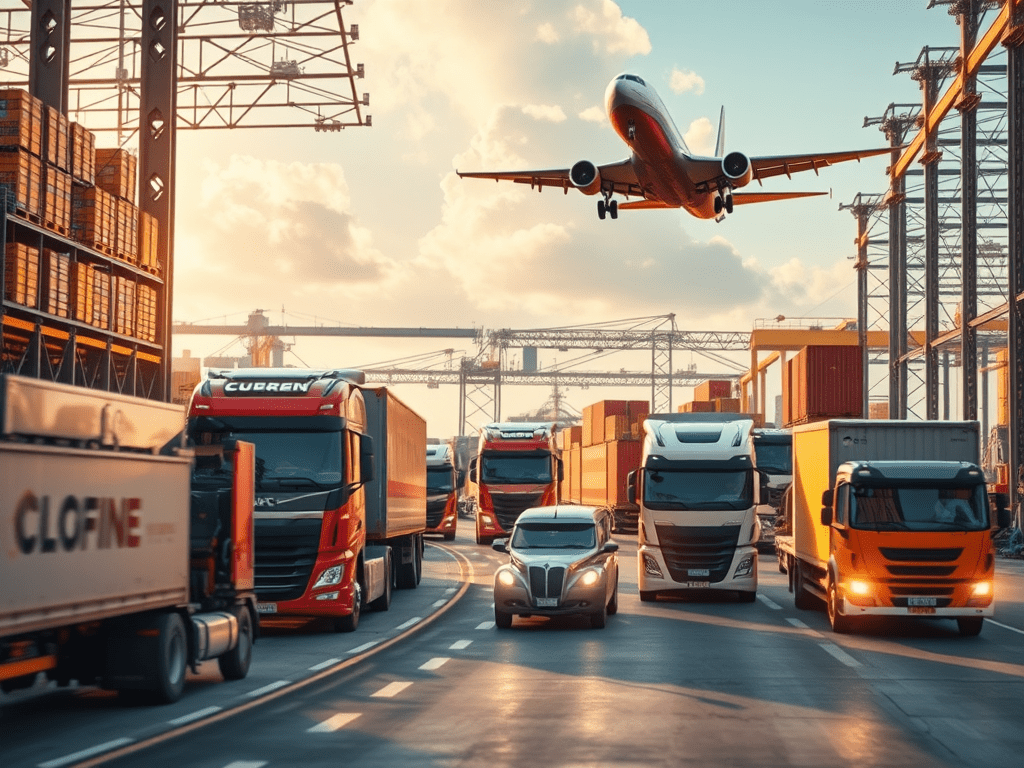
Transportation is the backbone of logistics. It involves moving goods from suppliers to manufacturers, warehouses, and ultimately, to customers. The main modes of transportation include:
- Road (Trucks, Vans): Ideal for short to medium distances and last-mile delivery.
- Rail: Cost-effective for moving bulk goods over long distances.
- Air: The fastest but most expensive option, used for high-value or time-sensitive shipments.
- Sea: Used for international shipping, especially for large or heavy goods.
2. Warehousing and Storage
Warehousing ensures that goods are stored safely before they are shipped to customers. Modern warehouses use advanced technology, such as automated storage and retrieval systems (AS/RS), to manage inventory efficiently.
3. Inventory Management
Effective inventory management ensures businesses have the right amount of stock available at the right time. Poor inventory control can lead to stockouts (losing sales due to lack of products) or overstocking (leading to increased storage costs).
4. Order Fulfillment
Order fulfillment refers to the process of receiving, processing, and delivering customer orders. This involves picking, packing, and shipping products accurately and quickly.
5. Supply Chain Coordination
Logistics is just one part of the broader supply chain, which includes procurement, production, and distribution. A well-coordinated supply chain ensures seamless operations, minimizing costs and delays.
The Role of Technology in Modern Logistics
How Logistics Supports the Supply Chain
Logistics acts as the connector between different supply chain functions. For example:
Conclusion
Why Logistics Matters for Businesses and Consumers
- Suppliers deliver raw materials → Logistics moves these materials to manufacturers.
- Manufacturers produce goods → Logistics transports finished products to warehouses and distributors.
- Retailers and e-commerce businesses → Logistics ensures customers receive their orders on time.
Without efficient logistics, the supply chain would face delays, increased costs, and dissatisfied customers.
With the rise of digital transformation, technology has revolutionized logistics. Some of the key innovations include:
- GPS Tracking & Route Optimization: Improves delivery times and reduces fuel costs.
- Warehouse Automation: Increases efficiency and reduces errors in inventory management.
- Blockchain & AI: Enhances transparency, security, and decision-making in supply chain operations.
For businesses, efficient logistics means lower costs, faster deliveries, and higher customer satisfaction. It allows companies to compete in global markets and meet customer expectations for quick and reliable shipping.
For consumers, logistics ensures products are available when and where they need them, whether it’s groceries, electronics, or medical supplies.
Logistics is the lifeline of the supply chain, ensuring that goods move seamlessly from production to the final consumer. Whether you’re a business owner, a supply chain professional, or just a curious learner, understanding logistics is essential in today’s interconnected world.
By optimizing transportation, warehousing, and inventory management, businesses can improve efficiency, reduce costs, and enhance customer satisfaction. As technology continues to evolve, logistics will play an even greater role in shaping the future of global commerce.
Want to Learn More?
If you’re interested in diving deeper into logistics and supply chain management, stay tuned for more insightful blogs on our website. Have questions? Leave a comment below!
 BB Nationwide Delivery
Leave a comment